

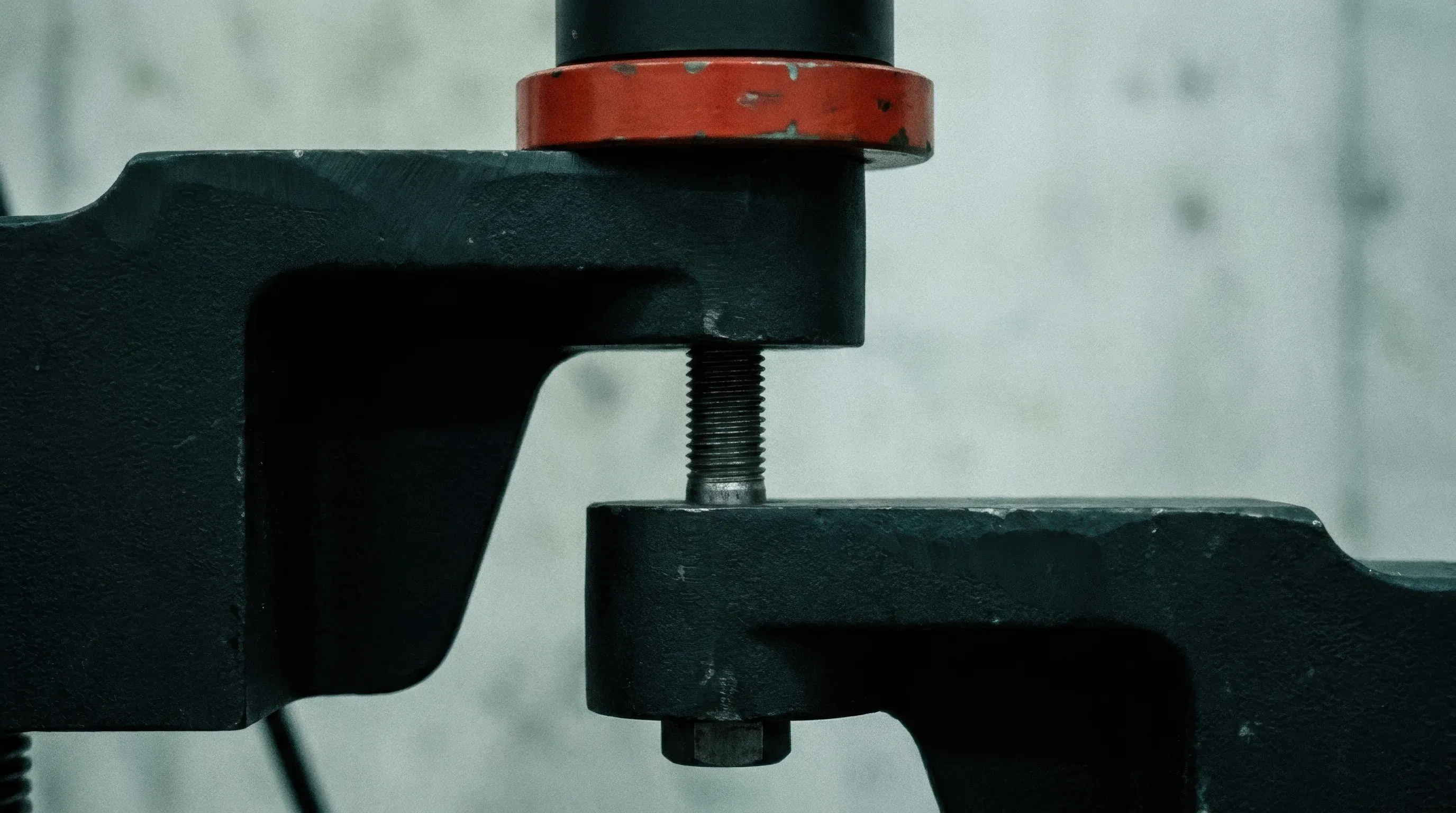
1. Which tests are available
The basic set: tensile testing (tensile and yield strength, elongation), bend testing, Rockwell or Brinell hardness, salt-spray corrosion. The extended set — low-temperature impact testing, metallographic analysis, inspection of the thread profile geometry.
2. When testing is necessary
A government contract with design supervision — a test report per GOST 1759 is mandatory. Industrial facilities with dynamic loads — selective batch inspection. A tender for a major project — a test report increases the weight of the bid. Import substitution — testing confirms that a Russian fastener is on a par with its European equivalent.
3. Sample preparation
Sampling per GOST 18321 — 3% of the batch for tensile testing, 5% for hardness. Samples are marked in the customer’s presence and sealed. Without a seal, the test report has no legal force.
4. What goes into the test report
The test method (GOST or TU), the equipment with its number and calibration date, the measurement uncertainty, the sample’s source data, the results for each specimen, the average value, and a “conforms / does not conform” conclusion. The metrologist’s signature and the stamp of the accredited laboratory.
5. Using the results
In a tender — an attachment to the bid that increases its weight. In technical supervision — the basis for accepting a batch. In a claim — supporting evidence. In product certification — a mandatory attachment to the certificate of conformity. The retention period for a test report is 5 years minimum; on critical projects — the entire service life.
Need a test report for a batch? Through a partner test ground we arrange testing within 3–5 business days, with the issue of an official test report. Send us the samples and the technical specification.